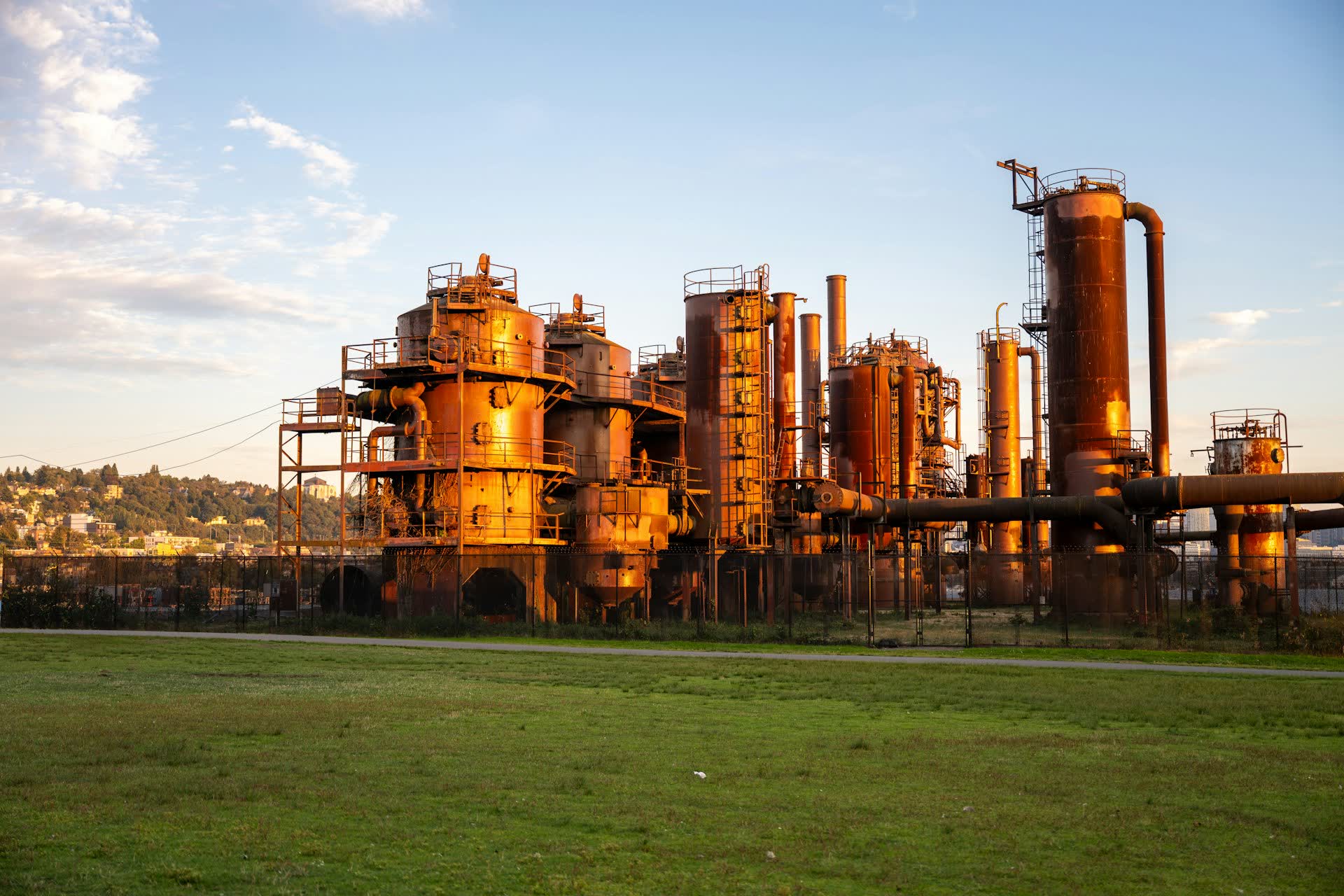
Our Fuels
Waste methane capture
Methane is one of the most powerful greenhouse gases and one of the fastest levers for slowing warming. We capture it at source and put it to work.
Our Fuels
Methane is one of the most powerful greenhouse gases and one of the fastest levers for slowing warming. We capture it at source and put it to work.
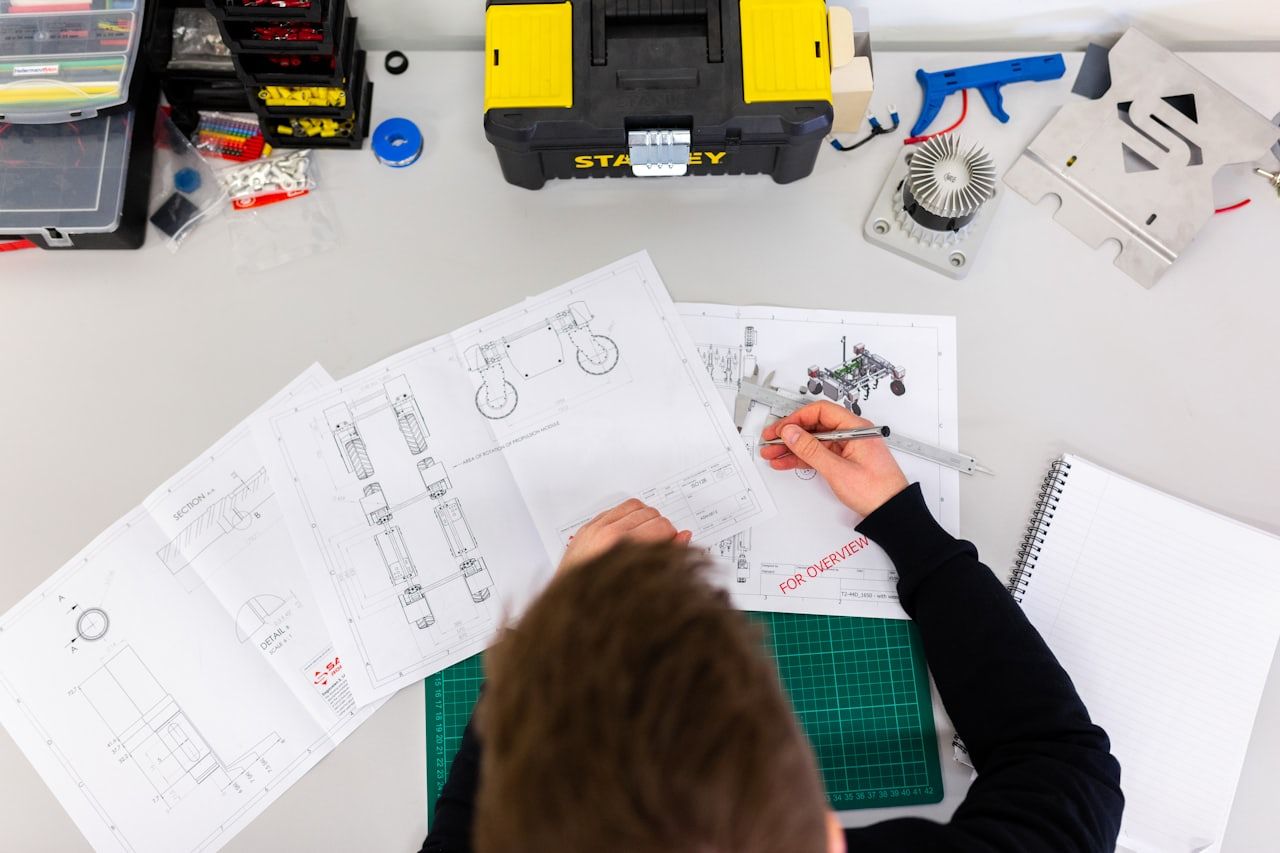 Gas gathering and processing
The problem
Methane escapes from landfills, agriculture, wastewater treatment and legacy energy sites. Over its first 20 years in the atmosphere it traps around 80 times more heat than carbon dioxide.
Venting or flaring that gas wastes its energy value. Capturing it removes the emission and creates a fuel in the same step.
The process
Engineered, monitored and operated to keep methane contained from source to end use.
Gathering systems draw methane from the source under controlled conditions.
1Moisture, CO₂ and trace contaminants are removed.
2The gas is brought to fuel or pipeline quality.
3It is injected, compressed or liquefied for customers.
4Where it applies
Gas generated as organic waste decomposes, collected through wellfields.
Biogas from digesters handling manure, crop residue and food waste.
Digester gas produced during sludge treatment.
Fugitive and vented methane from mines and older oil and gas assets.
Methane-rich off-gas streams that would otherwise be flared.
Continuous measurement so every captured tonne can be accounted for.
We assess, develop and operate capture projects with site owners and municipalities.